Foreword
I am honoured to present the fiftieth edition of the United Nations Disarmament Yearbook. Published annually since 1976, the Yearbook chronicles developments in multilateral disarmament, non-proliferation and arms control.
Together, these 50 volumes trace half a century of setbacks, gains and continuing work. We cannot yet know how the events of the past year will shape the future; what we can offer is a rigorous account of the choices made to inform the decisions ahead.
Together, these 50 volumes trace half a century of setbacks, gains and continuing work. We cannot yet know how the events of the past year will shape the future; what we can offer is a rigorous account of the choices made to inform the decisions ahead.
The world of 2025 differed profoundly from that of 1976. New, increasingly interconnected threats and technologies raised questions that authors and readers of the first Yearbook could not have foreseen. Yet our responsibility to limit destructive power through norms and coordinated effort endures.
Events in 2025 underscored the importance of reinforcing treaties, strengthening institutions and making full use of negotiating forums to address new dangers. Emerging technologies sharpened focus on questions of governance, accountability and meaningful human control. Geopolitical divisions deepened, existing restraints on weapons and warfare came under strain, and military expenditure continued to rise. The approaching expiration of the Treaty between the United States of America and the Russian Federation on Measures for the Further Reduction and Limitation of Strategic Offensive Arms (New START Treaty), the last remaining bilateral nuclear arms control treaty, highlighted the need for renewed dialogue to reduce strategic risks. Civilians suffered grave harm from weapons, including anti-personnel landmines and cluster munitions, while humanitarian disarmament frameworks were tested.
[T]he developments of 2025 reveal both the persistent vulnerability and—more than ever—the enduring value of collective action ... States, experts, civil society, young people and affected communities continued to deepen understanding, challenge assumptions and work for practical results.
Set against the Yearbook’s five decades of reporting, the developments of 2025 reveal both the persistent vulnerability and—more than ever—the enduring value of collective action. Throughout the year, States, experts, civil society, young people and affected communities continued to deepen understanding, challenge assumptions and work for practical results. Their efforts, together with the testimony of survivors, including the hibakusha, reaffirmed the abiding moral imperative for disarmament. Yet, institutions, expertise and memory must be accompanied by political will. A central danger is the steady erosion of faith in our common purpose and in what we can achieve together.
Under difficult conditions, States still preserved and pursued avenues for dialogue and joint action. They established by consensus a standing Global Mechanism on information and communications technologies security, assessed the effects of rising military spending on sustainable development and rallied to uphold humanitarian norms under pressure.
The United Nations also invested in the people and expertise needed to meet new risks by expanding youth engagement on biosecurity, small-arms control and the nexus of nuclear disarmament and emerging technologies. At their core, these initiatives put people, not weapons, first.
The work of my Office is only one part of the shared undertaking reflected in these pages—an undertaking that succeeding generations will carry forward. We offer this fiftieth edition of the United Nations Disarmament Yearbook as both a bridge to the lessons and experience of the past and a resource for the decisions that lie ahead.
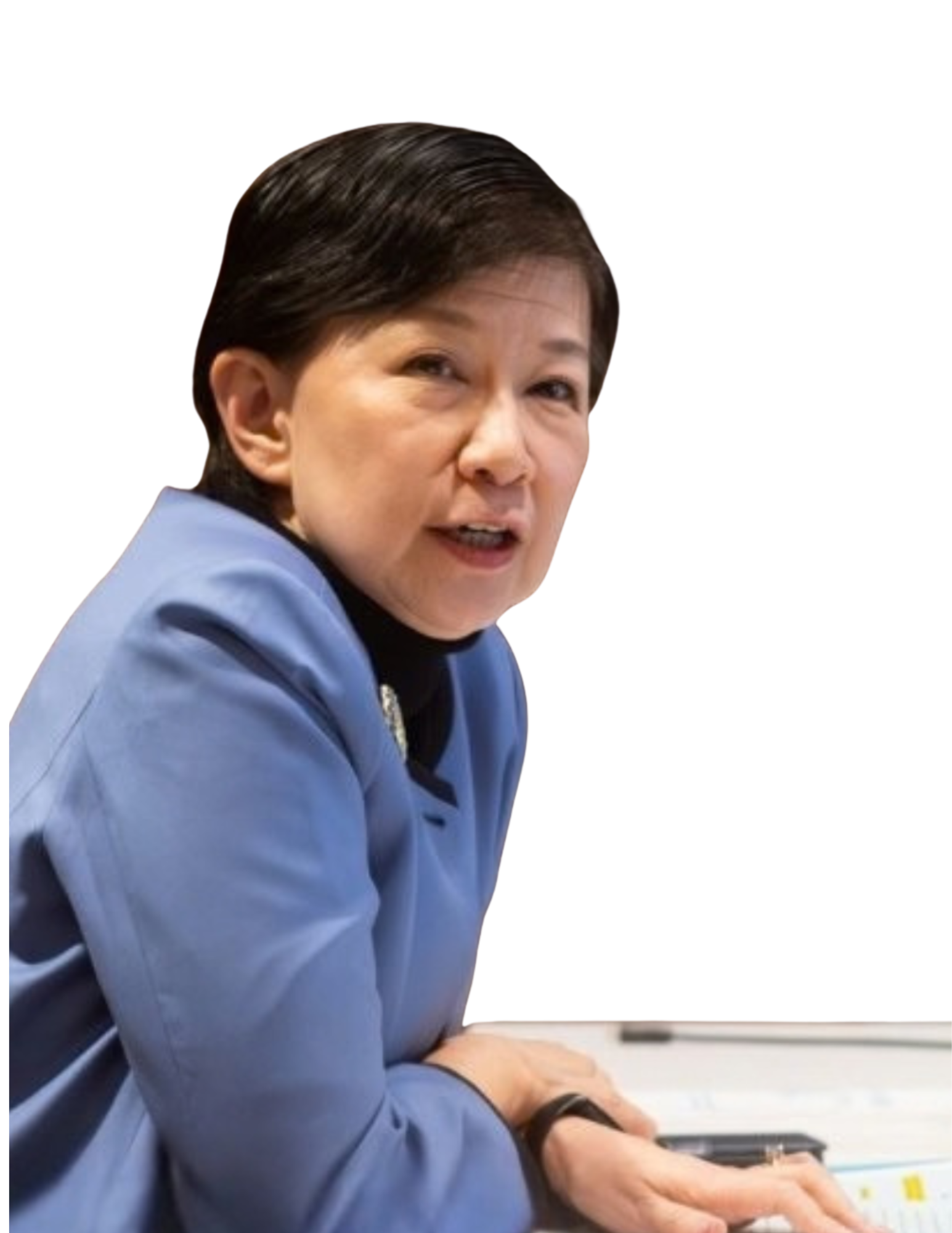
Izumi Nakamitsu
Under-Secretary-General
High Representative for Disarmament Affairs
September 2026